

Butyl glycol alternative for paints and cleaners
CAS 111-76-2
Bio-based butyl glycol alternative:
ASTROBIO™ BC, BC2 and BC3, sample on request.
ASTROBIO™ BC, BC2 and BC3 are our bio-based replacements for butyl glycol (2-butoxyethanol, CAS 111-76-2) in coatings, lacquers, paints, inks and cleaners. A great coalescing agent for water and solvent based paints in the decorative sector, and a perfect match to formulate safer industrial, professional and household cleaners. BC3 is completely miscible with water.
Three grades: BC, BC2 and BC3
Technical data sheets in the Reserved Area
Answers from our chemists
Solvent to replace
Butyl glycol (2-butoxyethanol, EGBE)
CAS 111-76-2
The bio-based twins
ASTROBIO™ BC
BC2
BC3
CAS 111-76-2
Butyl glycol (2-butoxyethanol) is replaced by ASTROBIO™ BC, BC2 and BC3.
20-30%
ASTROBIO™ BC and BC2 are 20-30% more efficient at reducing viscosity than butyl glycol.
Water
ASTROBIO™ BC3 is completely miscible with water, while BC and BC2 are not.
Safer
ASTROBIO™ BC and BC2 are safer than butyl glycol due to their hazard statements, GHS and CLP classification.
Three ASTROBIO™ grades replace butyl glycol.
BC, BC2 and BC3 differ in water miscibility and bio-based content. Tell us your use and we suggest which one to test first.
ASTROBIO™
BC
Replaces
Butyl glycol
2-Butoxyethanol
ASTROBIO™ BC replaces butyl glycol in coatings, lacquers, paints, varnishes and inks based on acrylics, vinylics, rosins and melamines, works as a coalescing agent in decorative paints thanks to its faint and pleasant smell, and formulates safer industrial, professional and household cleaners. It is not miscible with water.
Technical data sheetASTROBIO™
BC2
Replaces
Butyl glycol
2-Butoxyethanol
ASTROBIO™ BC2 covers the same uses as BC, with a higher bio-based content, and is already used by several customers in household and professional detergents. It is not miscible with water.
Technical data sheetASTROBIO™
BC3
Replaces
Butyl glycol
2-Butoxyethanol
ASTROBIO™ BC3 is the grade of the range that is completely miscible with water, with a higher bio-based content than BC. It can replace butyl glycol in textile, leather, automotive, detergency, pesticide formulation, wood coatings and printing.
Technical data sheetFlash point, evaporation rate, solubility parameters and the other values are in each grade's technical data sheet, available after registration.
Request your sampleButyl glycol is classified as toxic if inhaled under CLP.
Harmonised CLP classification of butyl glycol
Acute Tox. 3
H331: toxic if inhaled.
CLP
Harmonised classification
Butyl glycol (2-butoxyethanol, CAS 111-76-2) has a harmonised classification as toxic if inhaled (Acute Tox. 3, H331), harmful if swallowed (Acute Tox. 4, H302), causing skin irritation (Skin Irrit. 2, H315) and causing serious eye irritation (Eye Irrit. 2, H319), with the signal word Danger and the skull and crossbones pictogram (GHS06). The classification applies from 23 November 2023.
Source: EUR-Lex, Delegated Regulation (EU) 2022/692EU
Occupational exposure limits
Commission Directive 2000/39/EC lists 2-butoxyethanol with indicative occupational exposure limit values (8-hour and short-term) and a skin notation, which flags that absorption through the skin can add to exposure. Member States set their own national limits, so check the value that applies at your site.
Source: EUR-Lex, Directive 2000/39/ECASTROBIO™
A lighter label
ASTROBIO™ BC and BC2 are safer than butyl glycol due to their hazard statements, GHS and CLP classification. They are also free of chlorine, halogens, ketones, aromatics and paraffins.
A summary for orientation, not legal advice: always check the current texts and your safety data sheets.
ASTROBIO™ BC and BC2 do the job of butyl glycol with a lighter label.
In words, not figures: the measured values are in the technical data sheets.
Origin
Butyl glycol
Petrochemical glycol ether.
ASTROBIO™ BC / BC2 / BC3
Bio-based blends from renewable raw materials.
Label
Butyl glycol
Toxic if inhaled (Acute Tox. 3, H331), harmful if swallowed, irritating to skin and eyes.
ASTROBIO™ BC / BC2 / BC3
ASTROBIO™ BC and BC2 are safer than butyl glycol due to their hazard statements, GHS and CLP classification.
Water
Butyl glycol
Your benchmark.
ASTROBIO™ BC / BC2 / BC3
ASTROBIO™ BC3 is completely miscible with water, while BC and BC2 are not.
Efficiency
Butyl glycol
Your benchmark.
ASTROBIO™ BC / BC2 / BC3
BC and BC2 are 20-30% more efficient at reducing viscosity than butyl glycol.
Cleaning
Butyl glycol
Your benchmark.
ASTROBIO™ BC / BC2 / BC3
BC and BC2 perform exceptionally as cleaning solvent blends in formulations.
Drying
Butyl glycol
Your benchmark.
ASTROBIO™ BC / BC2 / BC3
BC and BC2 dry completely and leave no residue.
Smell
Butyl glycol
Your benchmark.
ASTROBIO™ BC / BC2 / BC3
BC and BC2 have a faint and pleasant smell, ideal for decorative paints.
Where ASTROBIO™ BC replaces butyl glycol today.
As an ingredient in your formulations or directly in your process.
BC
BC2
BC3
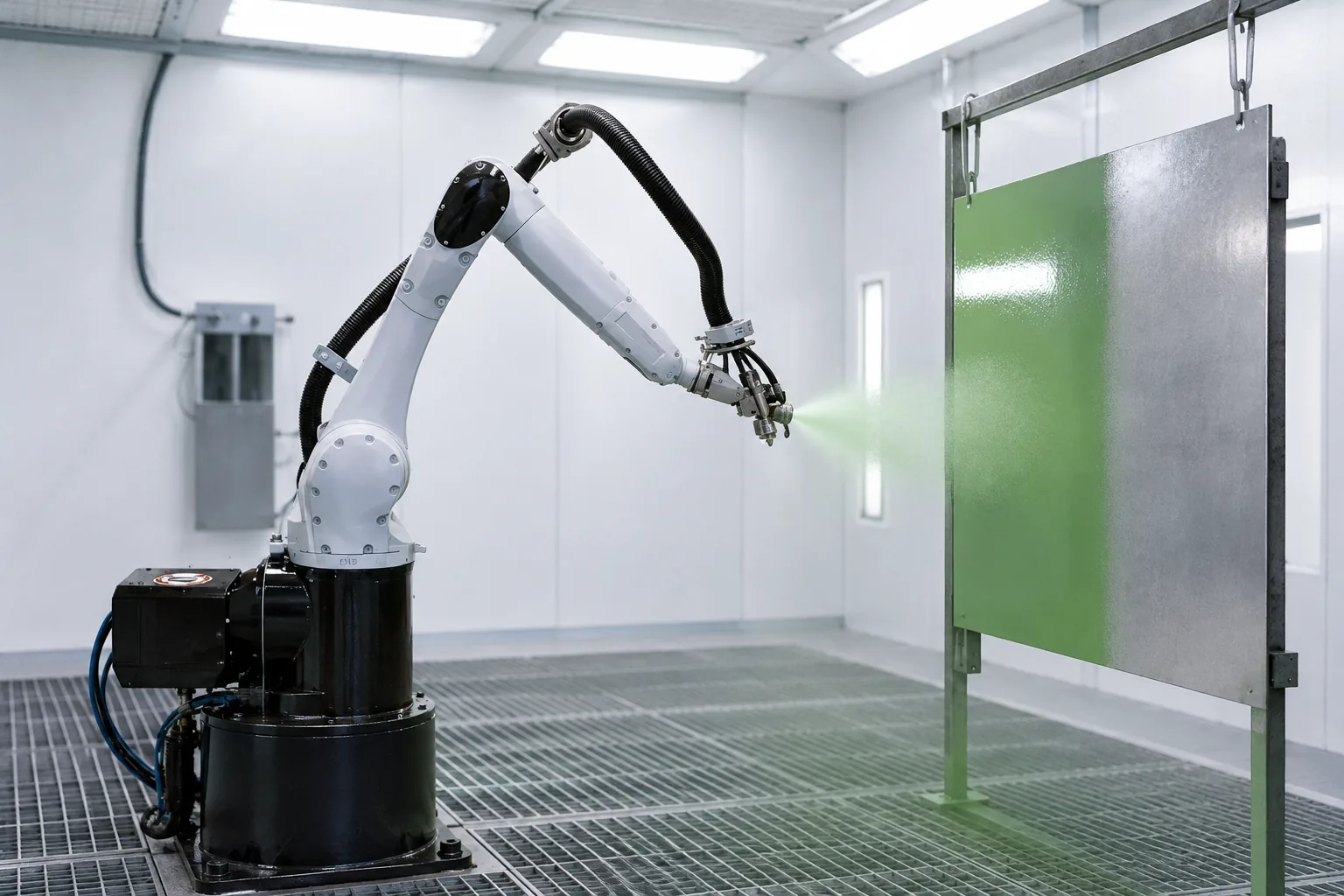
Coatings, lacquers and paints
ASTROBIO™ BC, BC2 and BC3 replace butyl glycol in coatings, lacquers, paints, varnishes and inks based on acrylics, vinylics, rosins and melamines.
See the applications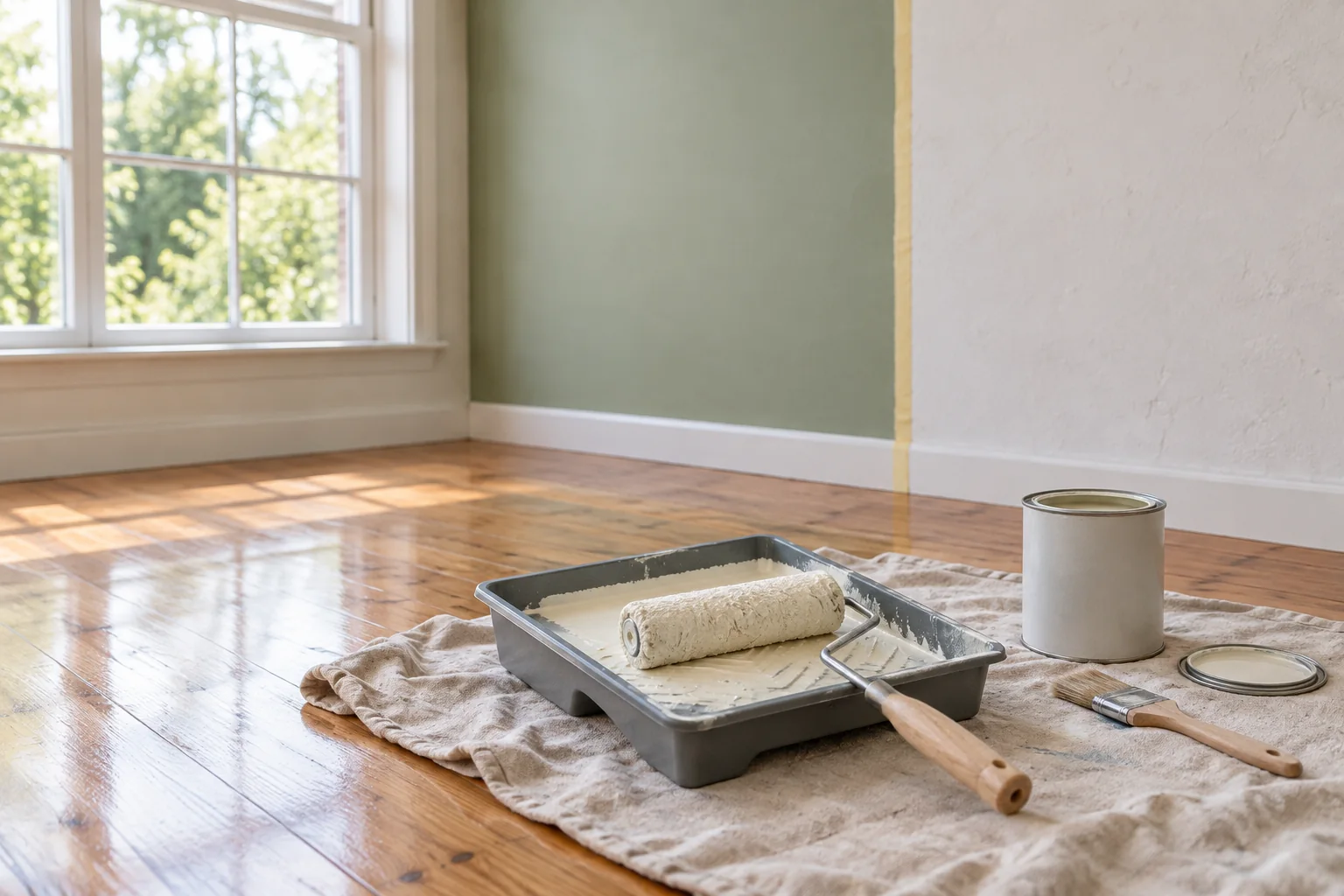
BC
BC2
BC3
Decorative paints
A great coalescing agent for water and solvent based paints in the decorative sector, thanks to a faint and pleasant smell: interior, exterior wall and floor paints.
See the applications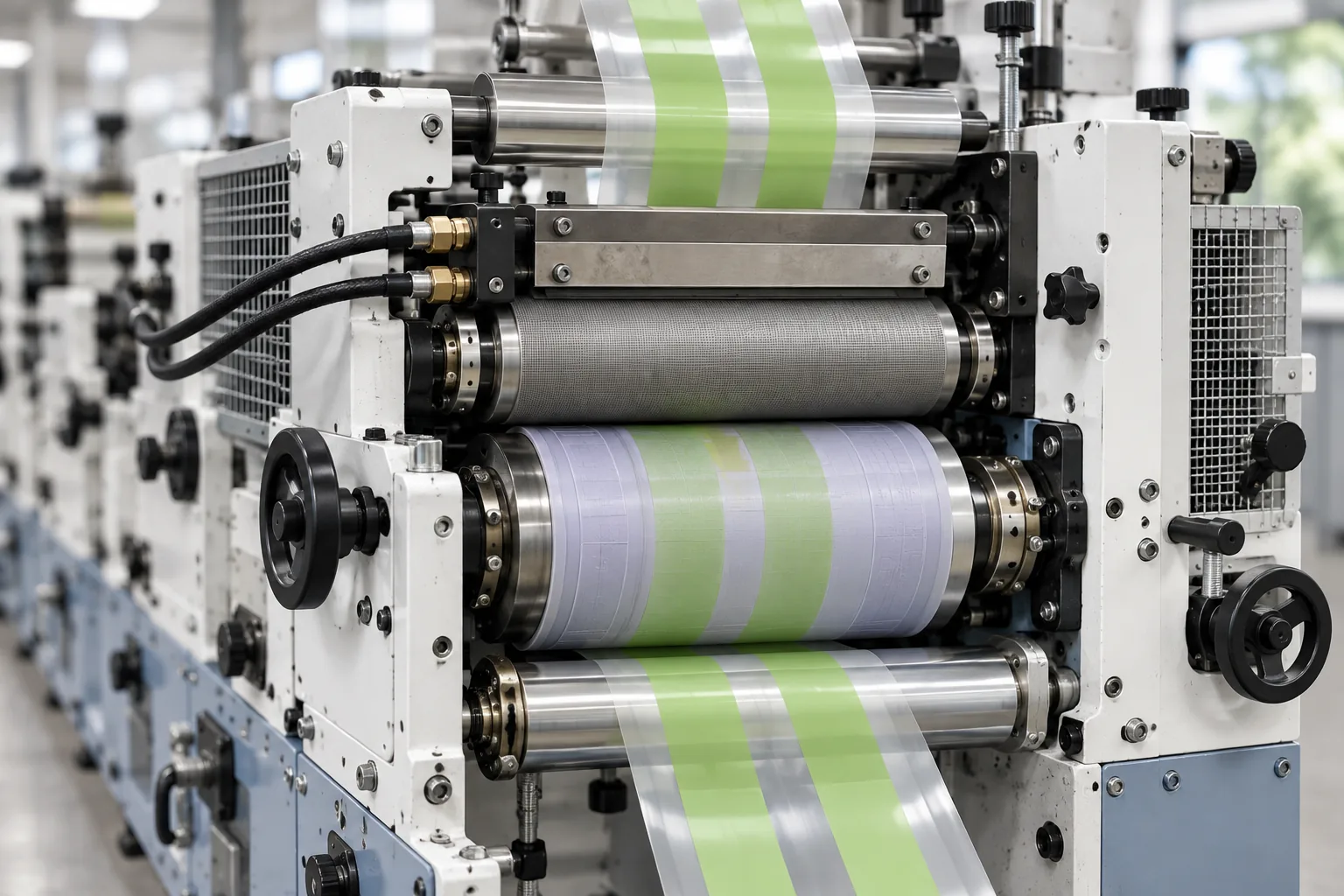
BC
BC2
BC3
Printing inks
ASTROBIO™ BC, BC2 and BC3 replace butyl glycol in the formulation of inks and in the printing industry.
See the applications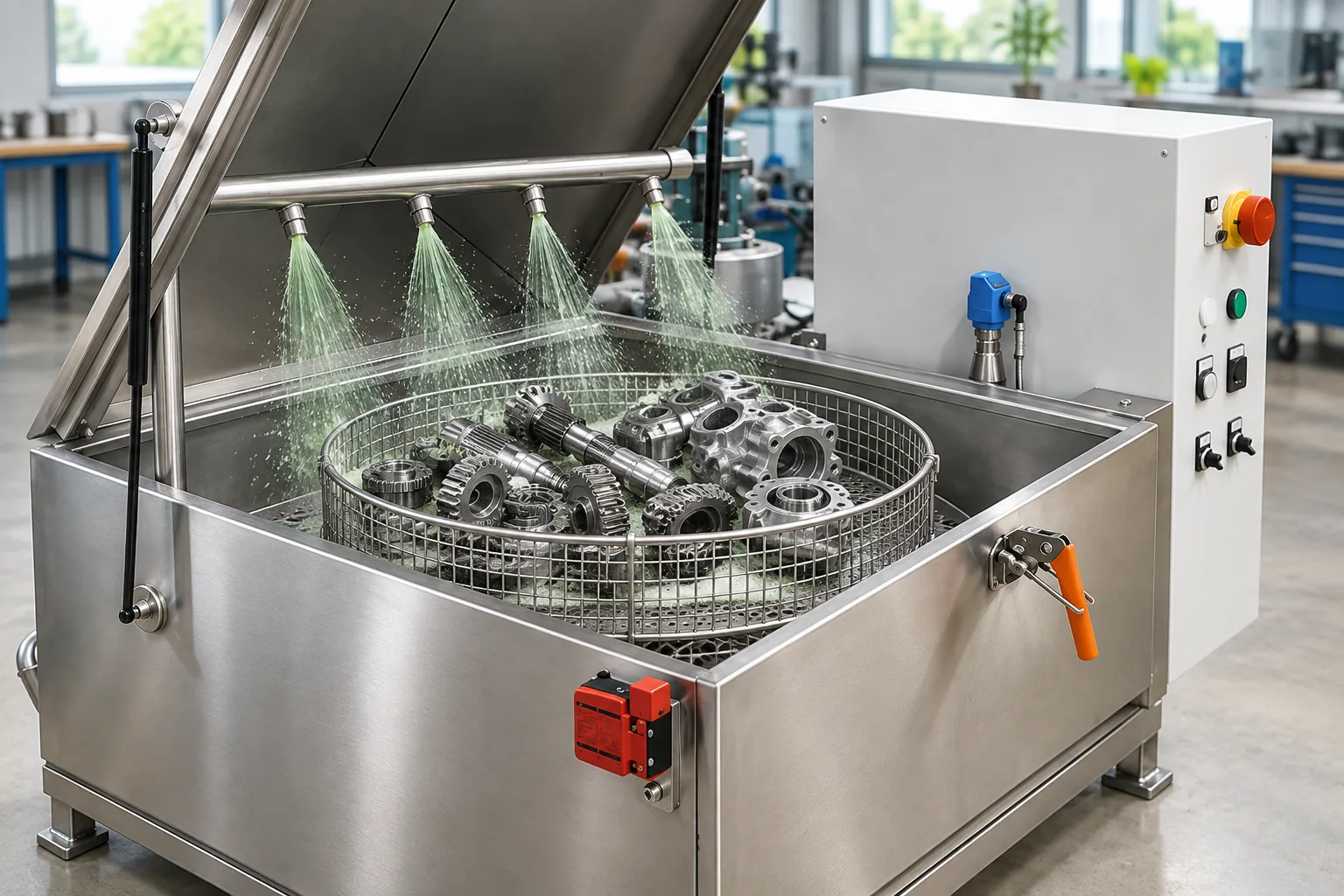
BC
BC2
BC3
Industrial and professional cleaners
A perfect match to formulate safer industrial and professional cleaners, with a blend that dries completely and leaves no residue.
See industrial detergency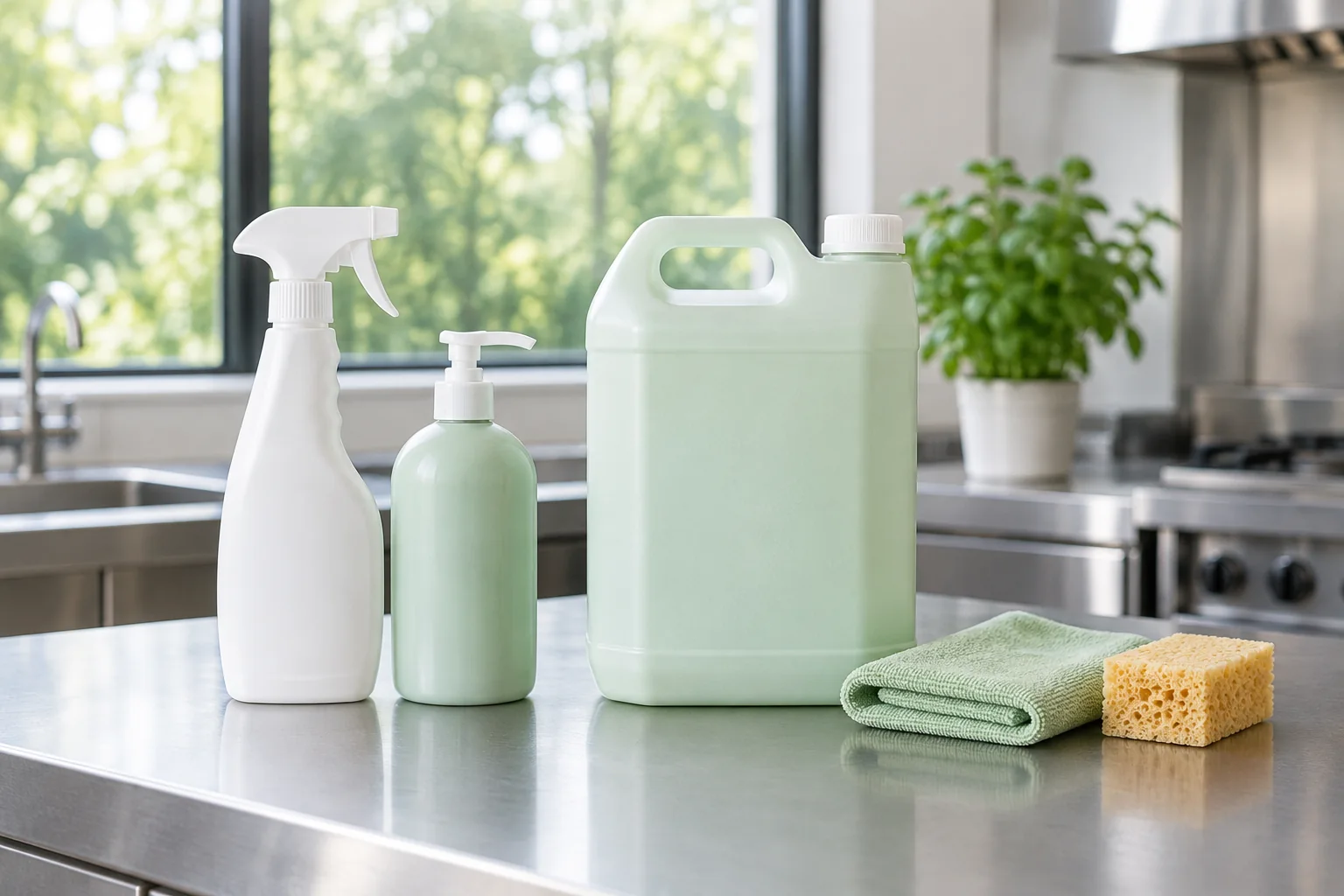
BC2
Household and professional detergents
Several customers already use ASTROBIO™ BC2 as a butyl glycol replacement in household and professional detergents, improving the labelling of their final formulations.
Read the case history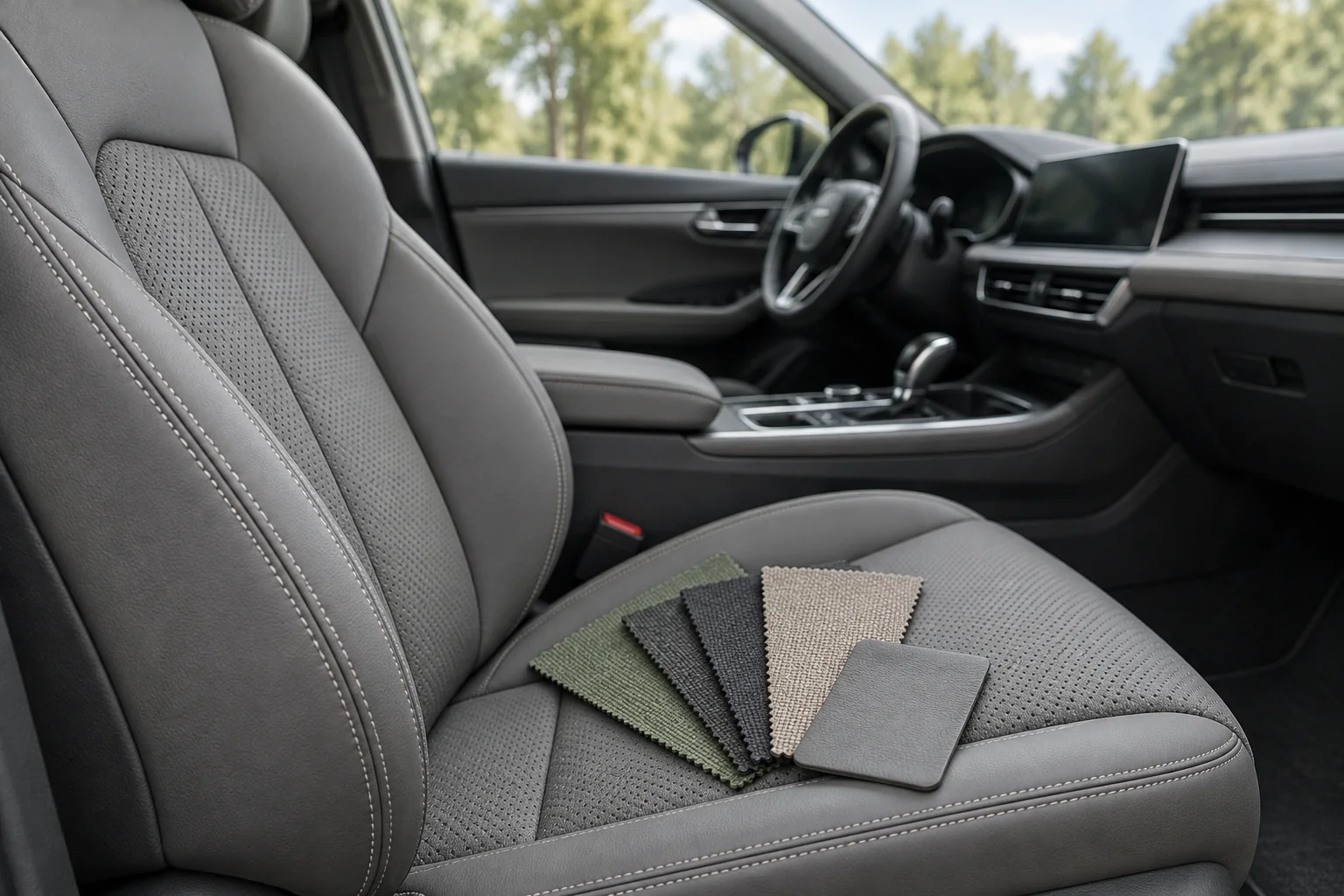
BC
BC2
BC3
Textile, leather, automotive and more
ASTROBIO™ BC, BC2 and BC3 can replace butyl glycol in textile, leather, automotive, detergency, pesticide formulation and wood coatings.
See the applicationsFrom butyl glycol to ASTROBIO™ BC in four steps.
01
Ask for a sample
Tell us your solvent, your application and your process: we suggest the grade to test.
02
Read the data sheet
Register to the Reserved Area and download the technical data sheet of the suggested grade.
03
Test it against your current solvent
Run your usual lab method side by side with your current recipe. When your application needs it, we adapt the blend.
04
Pilot, then supply
Confirm the result on your line, then switch to the grade that passed your tests.
How to get ASTROBIO™ BC, BC2 and BC3.
Astrobio is a European supplier of bio-based butyl glycol replacements for paints, coatings, inks and cleaners, with samples and technical data sheets.
Request your sampleSample
On request, with the form on this page: our chemists suggest the grade to test.
Data sheets
In the Reserved Area, after registration.
Grades
ASTROBIO™ BC, BC2 and BC3.
Custom blends
When your application needs it, we adapt the blend.
Contact
+39 0331 296654 · [email protected]
Buyers' questions on replacing butyl glycol.
Can't find yours? Ask our chemists.
Request your sampleYes, in coatings, lacquers, paints, varnishes, inks and cleaners. ASTROBIO™ BC and BC2 are 20-30% more efficient at reducing viscosity than butyl glycol and are safer due to their hazard statements, GHS and CLP classification. Test the grade in your lab against your current recipe; a custom blend is available when your application needs it.
Yes. ASTROBIO™ BC3 is completely miscible with water, while BC and BC2 are not.
ASTROBIO™ BC2 and BC3 have a higher bio-based content than BC. Tell us the grade you plan to test and our chemists give you the details.
Yes. ASTROBIO™ BC and BC2 are a great coalescing agent for water and solvent based paints in the decorative sector thanks to a faint and pleasant smell, in interior, exterior wall and floor paints.
Butyl glycol (2-butoxyethanol, CAS 111-76-2) has a harmonised classification as toxic if inhaled (Acute Tox. 3, H331), harmful if swallowed (Acute Tox. 4, H302), causing skin irritation (Skin Irrit. 2, H315) and causing serious eye irritation (Eye Irrit. 2, H319), with the signal word Danger and the skull and crossbones pictogram (GHS06). The classification applies from 23 November 2023. Check your safety data sheet for the current text.
Fill in the sample request form on this page with your solvent, application and work email: our chemists suggest which grade to test. Once registered to the Reserved Area, you can also download the technical data sheets.
Astrobio is a European supplier of bio-based butyl glycol replacements for paints, coatings, inks and cleaners, developing bio-based solvents in Italy since 2006. Samples are available on request, with technical data sheets in the Reserved Area.
Butyl glycol (2-butoxyethanol, CAS 111-76-2), also known as EGBE or butyl cellosolve, is a petrochemical glycol ether used as a solvent in paints, coatings, inks and cleaners. ASTROBIO™ BC, BC2 and BC3 are our bio-based replacements, made from renewable raw materials.
Butyl glycol (CAS 111-76-2) is used as a solvent in coatings, lacquers, paints, varnishes and inks and in industrial, professional and household cleaners. Its harmonised CLP classification: toxic if inhaled (Acute Tox. 3, H331), harmful if swallowed (Acute Tox. 4, H302), skin irritant (Skin Irrit. 2, H315) and serious eye irritant (Eye Irrit. 2, H319), under Commission Delegated Regulation (EU) 2022/692. Always check the current ECHA entry and your safety data sheet.
Yes. ASTROBIO™ BC is a bio-based solvent blend that replaces butyl glycol (CAS 111-76-2) in coatings, lacquers, paints, varnishes and inks and in industrial, professional and household cleaners. Astrobio has been developing bio-based solvents in Italy since 2006. Like any solvent change, test it against your current recipe: our chemists suggest the grade and send a sample on request.

Request your
ASTROBIO™ BC sample.
Tell us how you use butyl glycol today: our chemists suggest the grade to test and send you a sample.
A sample of the suggested grade
Its technical data sheet
A chemist who reads your process
 English
 Italian
 German